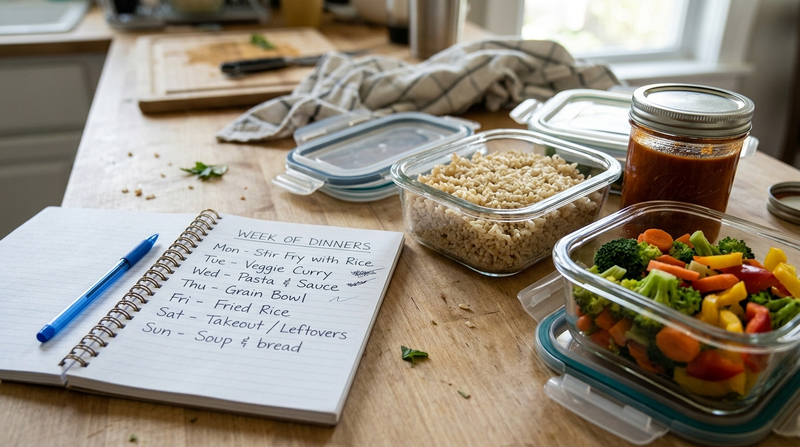
Meal prep advice often sounds like a four-hour Sunday marathon with fifteen identical containers. That works for some people, and quietly burns out many others. A lighter approach is easier to keep: spend about 20 minutes planning, and a little more getting a few building blocks ready. The goal is not to cook the entire week. It is to remove the decisions that make weeknight cooking stressful.
Minutes 1 to 5: choose three or four dinners, not seven
Plan fewer meals than there are nights. Life happens, leftovers exist, and one night will probably be takeout or a sandwich. Pick three or four dinners and leave the rest flexible. When choosing, aim for variety in the type of effort:
- One fast meal for your busiest night, such as pasta or an omelet.
- One sheet pan or one-pot meal with minimal cleanup.
- One batch meal, such as soup or chili, that gives you leftovers for lunch or the freezer.
- One something you look forward to, so the week does not feel like homework.
Write them on a sticky note or the fridge. Visible plans get followed.
Minutes 5 to 10: check what you already have
Open the fridge, freezer and pantry before you shop. Build at least one meal around something that needs to be used up, like vegetables near the end of their life or a half-bag of frozen shrimp. This one habit cuts waste and grocery spending more than any coupon.
Minutes 10 to 15: write a short list
Write the shopping list by store section so you do not wander the aisles: produce, meat and dairy, pantry and frozen. Include breakfast and lunch staples so you do not make extra trips. Stick to the list, with one allowance for something that looks good.
Minutes 15 to 20: set up the week
Now spend a few minutes on tasks that make the next few dinners faster:
- Move frozen meat to the fridge to thaw for midweek.
- Put out the pan or pot you will need for the first dinner.
- Make a note of any step that needs advance work, like soaking beans or marinating.
The optional 45-minute prep session
If you have extra time after shopping, prepare building blocks, not finished meals. Components can be recombined all week, which keeps food interesting:
- Cook a grain. A big pot of rice, quinoa or farro keeps for several days in the fridge. See our guide to cooking rice on the stove.
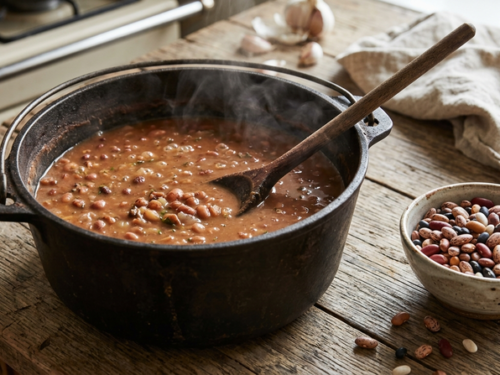
- Cook beans or lentils. A pot from scratch, using our dried bean guide, makes several meals.
- Wash and chop vegetables. Onions, peppers, carrots and broccoli are the most useful. Store them in containers lined with a paper towel.
- Roast a tray of vegetables. They work in bowls, wraps, omelets and pasta. See how to roast vegetables properly.
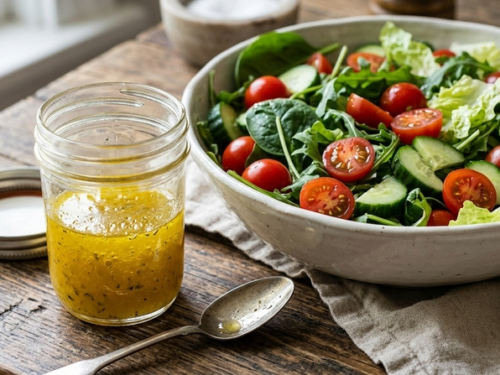
- Make one sauce or dressing. A jar of vinaigrette or a simple tomato sauce transforms plain ingredients.
- Cook one protein. Shredded chicken, meatballs or hard-boiled eggs are versatile.
Mix and match instead of repeating
With a grain, a protein, roasted vegetables and a sauce, you can build a rice bowl on Monday, a wrap on Tuesday, a pasta mix on Wednesday and fried rice on Thursday. Same ingredients, different meals.
Keep food safe
- Cool cooked food quickly and refrigerate within two hours.
- Use cooked leftovers within three to four days, or freeze them.
- Reheat leftovers to 165°F (74°C).
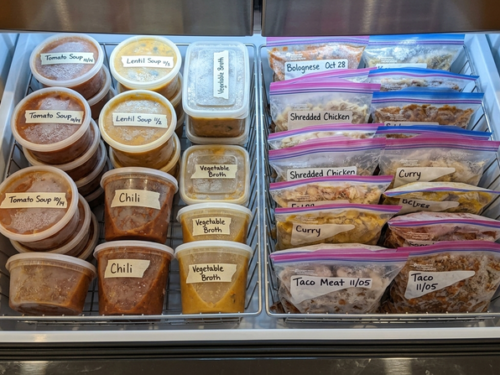
For what to freeze and how, see our guide to freezer-friendly meals.
Common reasons plans fall apart
Too ambitious. Start with three dinners and add more when it feels easy. Recipes that need too many new ingredients. Repeat a few proven recipes and add one new one a week. No plan for tired nights. Keep a backup meal, like pasta, eggs or a freezer pizza, so a bad day does not derail everything. Boredom. Change the sauce, the spices or the toppings, and the same base tastes new.
Start small this week
Next Sunday, set a timer for 20 minutes and plan only three dinners. Do not worry about being perfect. A rough plan you follow beats a perfect plan you abandon by Wednesday.
A sample week
Here is how the building-block approach can look in practice. On Sunday you cook a pot of rice, roast a tray of vegetables and make a batch of tomato soup. Monday is rice bowls with the roasted vegetables and a fried egg. Tuesday is a sheet pan chicken dinner, such as our lemon garlic chicken thighs. Wednesday is the tomato soup with toast. Thursday is fried rice using the rest of the rice and whatever vegetables are left. Friday is flexible: leftovers, takeout or a simple pasta.
Notice that nothing here required a heroic effort on a weeknight. Every dinner is either assembled from prepared parts or cooked in one pan.