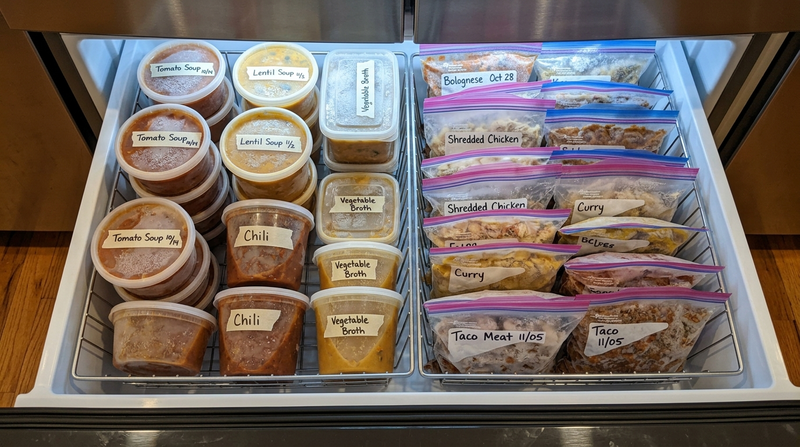
A well-stocked freezer is like a savings account for your future self. On a tired Wednesday, a container of soup or a bag of meatballs is the difference between a decent dinner and a drive-through run. But not everything freezes equally well, and a few simple habits make the difference between food that tastes fresh and food that tastes like the freezer.
Foods that freeze well
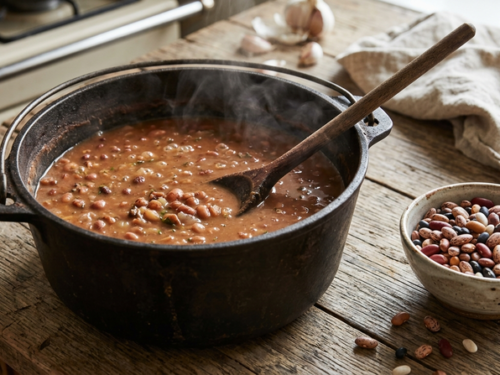
- Soups, stews and chili. Broth-based ones are especially good, and flavors often deepen.
- Cooked beans and lentils, in portions with a little of their cooking liquid.
- Meatballs, meatloaf and burgers, raw or cooked.
- Casseroles and baked pasta, assembled and baked or unbaked.
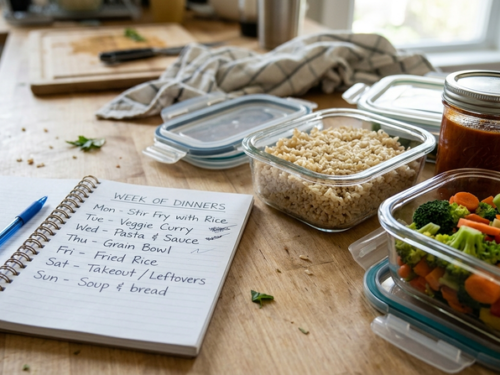
- Cooked rice and other grains, frozen flat in bags.
- Sauces, including tomato sauce, bolognese, curry and stock.
- Cooked shredded chicken or pulled pork.
- Baked goods. Muffins, quick breads, cookies and most cakes, plus unbaked cookie dough.
- Pancakes and waffles, which reheat well in a toaster.
- Blanched vegetables. Our guide on blanching explains how.
Foods that do not freeze well
- Raw potatoes in soups and stews. They turn grainy and mealy. Cooked, mashed potatoes freeze better.
- Cream and dairy-based sauces. They can separate and look curdled. Add cream when reheating instead.
- Fried and crispy foods. The coating turns soft and soggy.
- Salad greens, cucumbers and raw tomatoes. Their high water content turns them limp.
- Mayonnaise-based salads. The dressing separates.
- Hard-boiled egg whites. They turn rubbery.
- Cooked pasta, on its own. It gets soft. Slightly undercook it if it is going into a casserole you plan to freeze.
- Soft cheeses and yogurt. Texture changes noticeably.
How to cool and pack food
- Cool completely first. Hot food raises the freezer temperature and creates ice crystals. Cool it quickly by spreading it in shallow containers and refrigerating within two hours.
- Portion it. Freeze in the amounts you will actually use, such as single servings for lunch or family-size for dinner.
- Remove air. Air leads to freezer burn, which dries out food and changes its flavor. Use freezer bags with the air squeezed out, or containers filled close to the top. Leave about an inch of space for liquids, which expand as they freeze.
- Freeze flat. Lay bags on a baking sheet until solid, then stack them like books. They thaw faster and save space.
- Label everything. Write the name and the date. You will not remember what that frozen brown block is in two months.
How long will it last?
Food kept at a constant 0°F (-18°C) stays safe indefinitely, but quality fades. As a rough guide for best flavor, use cooked meals and soups within two to three months, baked goods within three months and blanched vegetables within eight to twelve months. Raw ground meat is best within three to four months.
How to thaw safely
- In the refrigerator, which is the safest method. Plan ahead and move food over the night before.
- In cold water, in a sealed bag, changing the water every 30 minutes, for faster thawing.
- In the microwave, if you will cook it immediately.
- Directly from frozen, for soups, stews and sauces, which can go straight into a pot over low heat.
Do not thaw on the counter, where the outside warms to unsafe temperatures while the middle is still frozen.
Reheating
Reheat cooked food until it is steaming and reaches 165°F (74°C). Soups and sauces can be thickened or brightened after reheating with a splash of water, a squeeze of lemon or a handful of fresh herbs. Casseroles reheat best covered in foil in a 350°F oven so they do not dry out.
Refreezing
If food was thawed in the refrigerator and stayed cold, it is safe to refreeze, though the texture may suffer. Food thawed in the microwave or cold water should be cooked before refreezing.
Good first things to freeze
If you are new to this, start with a double batch of something you already make, like chili, bolognese or meatballs, and freeze half. It adds almost no work. Pair it with a simple weekly plan, and your freezer starts to pay you back quickly.
Keeping the freezer organized
A freezer full of unlabeled mystery containers is a freezer you stop using. Keep a short list on the door of what is inside and cross items off as you use them. Put new items at the back and move older ones to the front, so the oldest food is eaten first. A freezer that is fairly full stays cold more efficiently than an empty one, but do not pack it so tight that air cannot circulate.
If the power goes out, keep the door closed. According to the U.S. Department of Agriculture, a full freezer will hold its temperature for about 48 hours, and a half-full one for about 24 hours. Food that still has ice crystals, or is at refrigerator temperature or colder, can be safely refrozen.