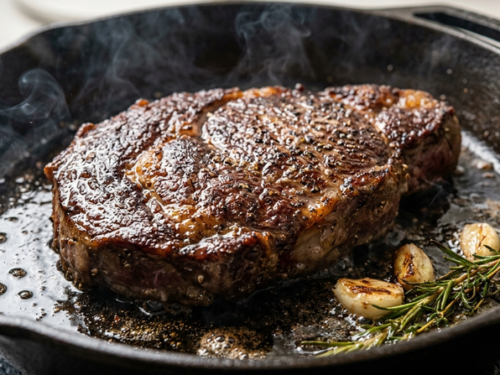
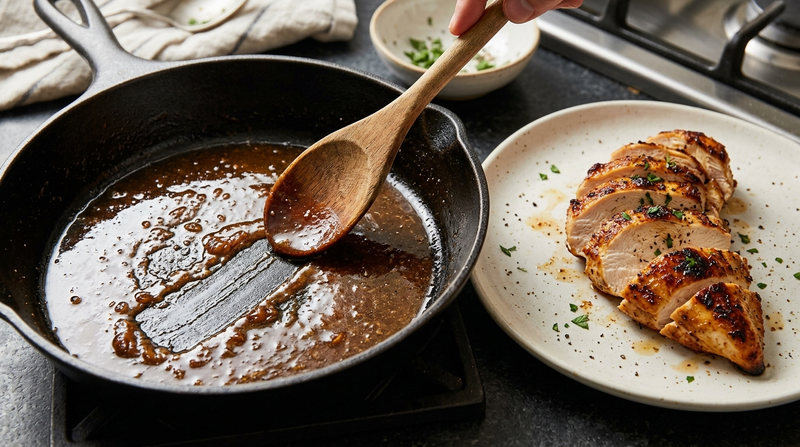
After you sear chicken, pork chops or steak, there is a brown crust of flavor stuck to the bottom of the pan. Most people see a dirty pan. Cooks see the base of a sauce. The method is called a pan sauce, and once you know the formula, you can make one in about five minutes without a recipe.
What the brown bits are
Those browned, stuck-on pieces are called fond, a French word for base. They are concentrated meat juices and proteins that have caramelized on the metal. Dissolving them into liquid, called deglazing, puts all of that flavor into your sauce. This works best in stainless steel or cast iron. Nonstick pans do not develop much fond, so the sauce will be milder.
The basic formula
Keep this in mind and you can improvise:
- Cook the meat and set it aside on a plate to rest. Leave about a tablespoon of fat in the pan. Pour off the rest if there is a lot.
- Add aromatics. One minced shallot or two cloves of garlic, cooked over medium heat for 30 to 60 seconds, until soft and fragrant. Do not let garlic burn.
- Deglaze. Pour in about ½ cup of liquid. Dry white wine, broth, apple cider, beer or even water all work. Scrape the bottom with a wooden spoon so the bits loosen.
- Reduce. Simmer until the liquid has reduced by about half and looks slightly syrupy. This takes two to three minutes.
- Add body. Stir in a splash of cream, a spoonful of mustard, or a knob of cold butter off the heat.
- Season and brighten. Taste. Add salt, black pepper and a squeeze of lemon or a dash of vinegar if it tastes flat.
Variations to try
Lemon and herb (for chicken or fish)
Use shallot, then chicken broth. Reduce, then stir in two tablespoons of cold butter, the juice of half a lemon and chopped parsley.
Mustard cream (for pork chops)
Use shallot and a splash of white wine, then broth. Reduce, then whisk in a tablespoon of Dijon mustard and two tablespoons of cream. Simmer one minute.
Red wine and shallot (for steak)
Use shallot, then ½ cup red wine and ¼ cup beef broth. Reduce until syrupy, then swirl in a tablespoon of cold butter.
Apple cider and thyme (for pork or sausages)
Use shallot, then apple cider and a sprig of thyme. Reduce, then add a teaspoon of cider vinegar and a pinch of salt.
Why cold butter at the end?
Whisking in a small piece of cold butter off the heat adds gloss and a smooth, slightly thick texture. The technique is called mounting with butter. If the pan is too hot or the sauce keeps boiling after the butter goes in, it can separate and look greasy, so take the pan off the burner first.
If the sauce is too thin or too thick
- Too thin: keep simmering. Reduction concentrates both flavor and body.
- Too thick: add a splash of broth or water and stir.
- Too salty: add a little unsalted liquid or a bit of cream. Be careful with salt at the start, because reducing concentrates it.
- Too sharp: a small pinch of sugar or a bit more butter rounds off acidity.
A note on alcohol
When you use wine or beer, simmering cooks off some of the alcohol, though not all of it. If you need to avoid alcohol entirely, use broth with a teaspoon of vinegar for a similar tang.
Pairing it with the rest of dinner
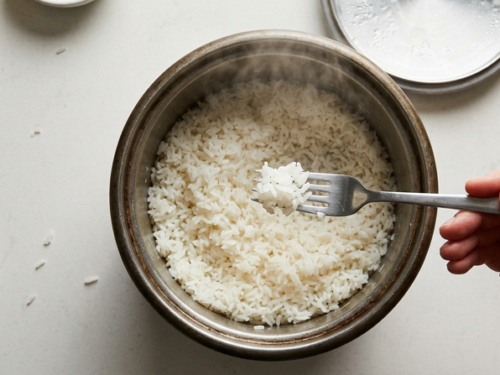
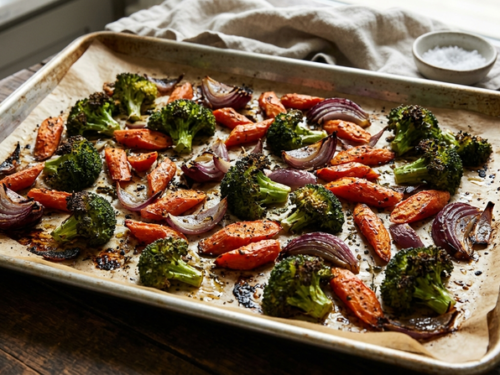
A pan sauce is best on food that has been properly browned first, so see our guide on how to sear meat without it sticking or steaming. Spoon it over rice, mashed potatoes or roasted vegetables as well, so none of it goes to waste.
Common mistakes
- Deglazing a burnt pan. If the brown bits are dark and smell acrid, the sauce will taste bitter. Wipe the pan and start with fresh oil, a shallot and broth instead. The fond should be deep brown, not black.
- Too much liquid. Start with half a cup. You can always add more, but reducing a flooded pan takes much longer.
- Salting too early. Reduction concentrates salt, so wait until the sauce is nearly finished before seasoning.
- Boiling after the butter goes in. It can split. Take the pan off the heat first.
No meat? You can still make a pan sauce
Mushrooms, onions and even roasted vegetables leave a good fond. Brown mushrooms until the pan is dark and dry, deglaze with a splash of wine or broth, and finish with a spoonful of mustard or a little cream. Spoon it over pasta, grains, eggs or toast.