By Harry Cruse | TasteSavory
Few things are as appealing as walking into a home where something good is cooking. Garlic hitting butter, bread coming out of the oven, a curry quietly simmering: these smells can make you hungry before you’ve seen the food. They aren’t an accident. They come from specific reactions and ingredients, which means you can cook for aroma on purpose. This guide explains why some foods smell so good, lists twelve dishes that reliably fill a kitchen with aroma, gives a ten-minute onion and garlic base, and offers practical tips for when smells linger longer than you’d like.
The short answer
- Good cooking smells come mainly from browning, fermentation, and aromatic ingredients like onions, garlic, spices, and butter.
- Gentle, patient heat usually smells better than scorching heat. Burned garlic smells bitter and sharp, not appealing.
- Bread, cookies, soups, slow-cooked meats, and spiced dishes are the most reliable aroma-makers.
- Smell doesn’t tell you whether food is safe. Use thermometers and storage rules, not your nose.
Why cooking smells so good
Aroma is the sensation of tiny airborne molecules reaching your nose. Heat makes more of them escape from food, which is why warm food smells stronger than cold. Several things create the molecules we love.
- Browning. When proteins and sugars meet heat, the Maillard reaction creates hundreds of new aroma compounds. This is why toast, seared meat, browned onions, and baked crusts smell so much richer than their raw forms. Browning needs enough heat, a fairly dry surface, and time.
- Fermentation. Yeast produces aroma compounds that become part of a loaf’s smell, and longer fermentation tends to make bread smell more complex.
- Aromatics. Onions, garlic, ginger, herbs, and spices release fragrance when warmed in fat. Our guide to toasting and blooming spices explains how to get the most from them.
- Fat and sugar. Butter, caramelizing sugar, and rendered fat carry and create aroma, which is why cookies, bacon, and pies smell so inviting.
Smell is also a big part of how we taste, so dishes that smell good tend to taste more flavorful too.
Twelve dishes that make a kitchen smell amazing
| Dish | Where the aroma comes from | How to get the best smell |
|---|---|---|
| Onions and garlic in butter | Aromatics warming in fat | Medium-low heat; add garlic last for under a minute (recipe below) |
| Fresh bread | Yeast fermentation plus a browning crust | Let the dough ferment fully and bake until deeply golden |
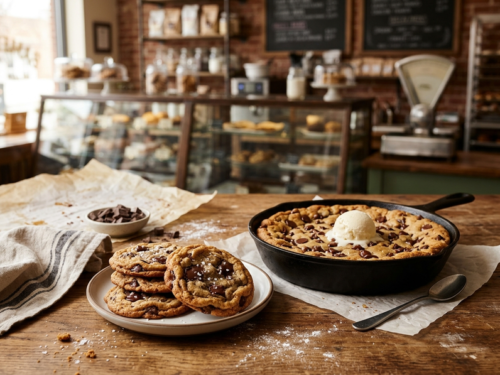
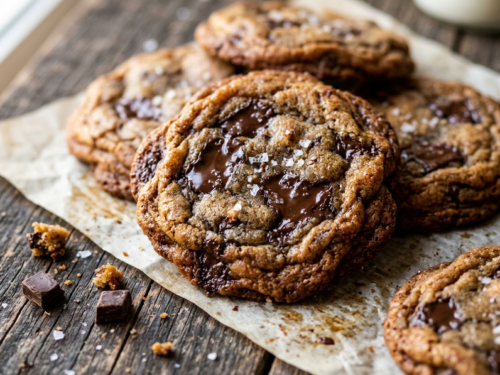
| Cookies | Butter, sugar, and vanilla browning | Bake until the edges turn golden |
| Banana bread or apple pie | Warm fruit, spices, and browning batter or crust | Add cinnamon or nutmeg; see our banana bread |
| Soup or stew | Browned aromatics simmering slowly in liquid | Brown the onions first, then simmer gently; see how to fix bland soup |
| Pot roast or meatloaf | Browned meat and slow-roasted vegetables | Sear the meat first, and use a lid to keep moisture in |
| Ribs or other slow-roasted meat | Rendering fat and caramelizing rub | Cook low and slow, and finish with high heat for crust |
| Fried chicken | Hot oil browning a seasoned coating | Keep the oil steady and don’t let it smoke |
| Curry or biryani | Spices bloomed in fat, plus coconut milk or rice | Bloom whole and ground spices in oil before adding liquid |
| Bacon or chorizo | Rendered, browning pork fat | Cook at moderate heat so the fat crisps instead of burning |
| Coffee | Roasted beans releasing volatile compounds | Grind just before brewing |
| Mulled wine, cider, or spiced tea | Cinnamon, cloves, orange peel, and warmed liquid | Keep it below a boil so the aromatics stay fresh |
Recipe: Garlic-butter onion base
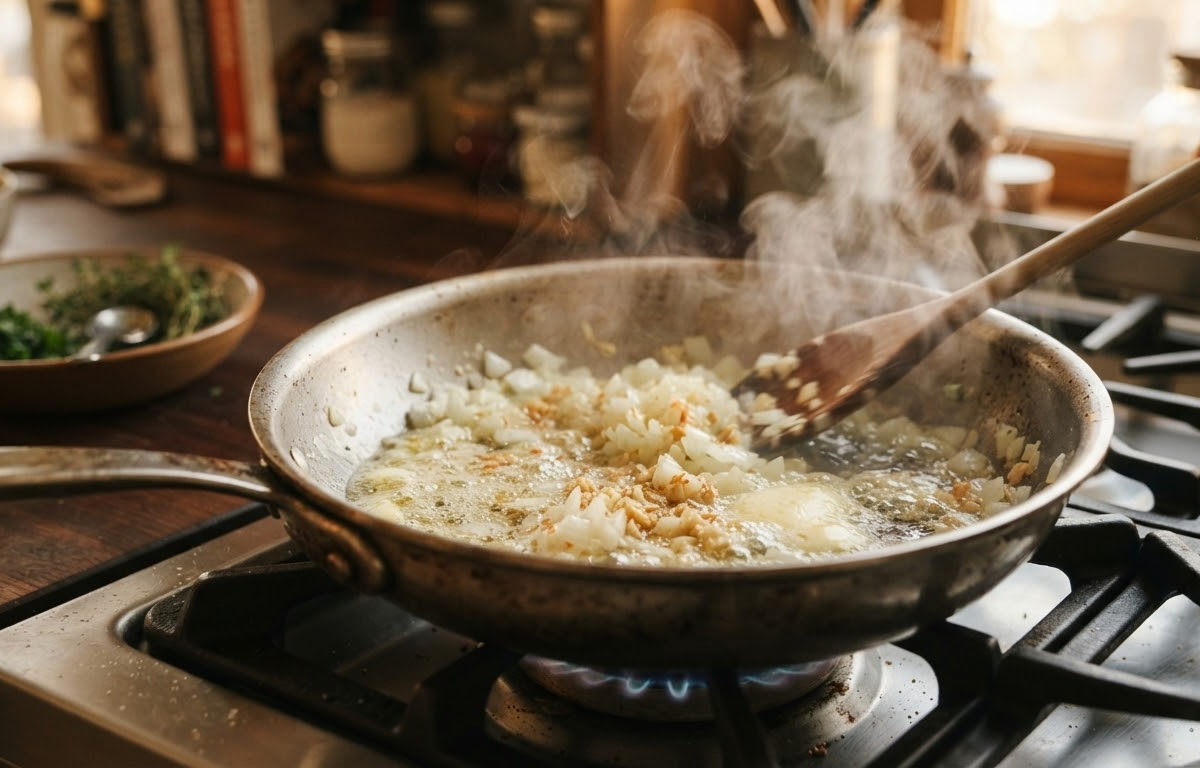
This is the starting point for countless dishes, and the one most people name when asked about great cooking smells. Use it to begin soups, pasta sauces, rice, eggs, or braises.
Time: 10 minutes | Makes: enough to start a dish for 3 to 4 people
Ingredients
- 2 tablespoons butter, or 1 tablespoon butter and 1 tablespoon olive oil
- 1 medium onion, finely diced (about 1 cup)
- 3 cloves garlic, minced
- A pinch of salt
Instructions
- Melt the butter in a wide pan over medium-low heat until the foam settles.
- Add the onion and salt. Cook, stirring now and then, for 6 to 8 minutes, until soft and translucent. Keep the heat gentle so the onion softens rather than browns. For a sweeter, deeper smell, keep cooking until golden; see our guide to caramelized onions.
- Add the garlic last. Cook for 30 to 60 seconds, stirring, until fragrant. Don’t let it brown, because it turns bitter quickly.
- Build the dish. Add stock, tomatoes, rice, or whatever comes next right away.
Notes: If the pan gets too hot, lift it off the heat for a moment. Garlic mixed into butter should be used fresh, not stored at room temperature.
A stovetop simmer pot
If you want a pleasant scent without cooking a full meal, a simmer pot uses scraps and spices. This is not for eating.
- Fill a small pot with 2 to 3 inches of water.
- Add orange or lemon peel, a cinnamon stick or two, a few whole cloves, and apple slices if you like.
- Bring to a bare simmer, then keep it on low.
- Top up the water as it reduces, and turn it off when you leave the room.
Safety: Never leave a simmer pot unattended or let it boil dry, since it can scorch or start a fire. Keep it out of reach of children and pets.
When smells linger or bother you
Not everyone loves every cooking smell. Bacon, fried foods, and strong spices can linger on clothes and in hair. A few practical steps help.
- Ventilate. Run the hood and open a window while cooking and for a while afterward. Hoods don’t catch everything; our guide to greasy kitchens and range hoods explains why.
- Cover the pan. A lid or splatter screen keeps some of the aroma and grease in the pan.
- Wipe surfaces. Grease holds odors, so wipe the stovetop, backsplash, and nearby surfaces after cooking.
- Deal with the source. Take out the trash, and check the refrigerator for forgotten food. See our kitchen storage guide for refrigerator smells.
- Time it. Cook the strongest foods when you can ventilate well, or use the oven for foods that would otherwise spatter.
Troubleshooting
- The kitchen smells sharp and bitter: Garlic or onions probably burned. Lower the heat and start over with fresh ingredients.
- The bread doesn’t smell like much: The dough may not have fermented long enough, or the crust didn’t brown. Let it rise fully and bake until deep golden.
- The soup smells flat: Brown the onions first, bloom the spices in fat, and finish with acid and herbs.
- The curry smells harsh: The spices may have burned. Bloom them over medium heat for under a minute, until fragrant.
- The smell is too strong: Cover the pan, run the hood, and open a window.
FAQ
What food smells best while cooking?
It’s personal, but onions and garlic in butter, baking bread, and fresh cookies are among the most commonly named.
Does a good smell mean food is safe?
No. Smell and appearance don’t reliably show whether food is safe. Use a thermometer for meat and follow storage times for leftovers.
Why does bread smell better than most baking?
Yeast fermentation adds aroma compounds, and the browning crust adds more.
How do I stop cooking smells from clinging to my clothes?
Ventilate well, cover the pan, and avoid standing directly over strong-smelling foods. Washing clothes after heavy frying helps.
Conclusion
The smell of good cooking comes from a few simple things: gentle heat, browning, fat, and aromatic ingredients. Start a dish with onions and garlic in butter, bake something with yeast or cinnamon, or let a pot of soup simmer, and the whole house will notice. When a smell outstays its welcome, ventilate, cover the pan, and wipe up. And remember that a lovely aroma isn’t a safety test, so keep using your thermometer.