By Harry Cruse | TasteSavory
Salted caramel, prosciutto and melon, maple-glazed bacon, chocolate-covered pretzels: some of the most craveable foods pair sweet with salty. The combination isn’t a trend. It works because each flavor makes the other more interesting. This guide explains why the pairing works, lists classic combinations, offers rules of thumb for balancing them, and includes two simple recipes: maple-Dijon glazed carrots and a homemade salted caramel sauce.
The short answer
- Salt can make sweetness taste rounder and reduce bitterness, while sweetness softens the sharpness of salt.
- Start with small amounts of the supporting flavor, and taste as you go.
- Finish with flaky salt for a burst of salt and crunch.
- Add sugary glazes near the end of cooking, because sugar burns easily.
- Add a little acid, such as mustard, vinegar, or lemon, to keep sweet-salty dishes from tasting flat.
Why sweet and salty works
Many cooks and food scientists note that salt tends to suppress bitterness and can make sweet flavors seem more pronounced. In the other direction, a touch of sweetness rounds off salt’s sharp edge. Contrast also plays a role. Your palate notices a change from one taste to another, so a salty bite followed by a sweet one keeps a dish interesting. Because both sugar and salt are easy to overdo, the goal is balance, not a heavy hand with either.
Classic sweet and salty pairings
| Pairing | Why it works | Ways to use it |
|---|---|---|
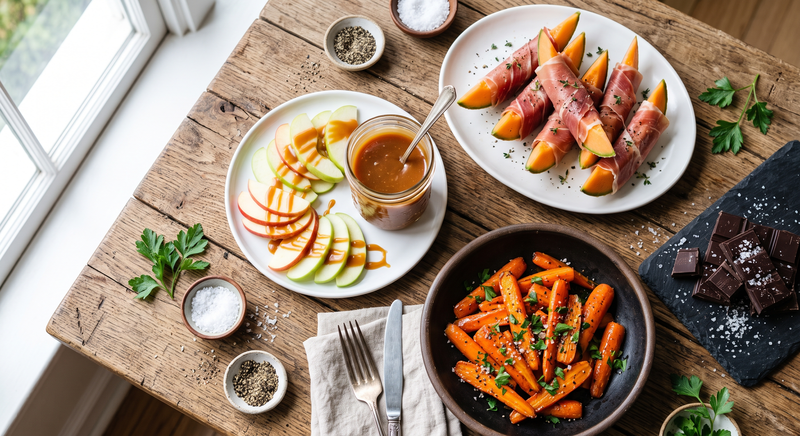
| Salted caramel | Salt sharpens the sweetness and cuts richness | Ice cream, apples, brownies, coffee |
| Prosciutto and melon | Salty cured meat against juicy, sweet fruit | A simple starter or appetizer |
| Maple and bacon | Smoky, salty meat against syrup | Brunch, glazed sweet potatoes, roasted Brussels sprouts |
| Cheese and honey | Sharp or briny cheese balances sweet honey | Ricotta, feta, blue cheese, or goat cheese on toast or crackers |
| Dates and cheese | Sticky sweet fruit against salty cheese | Dates stuffed with Parmesan or goat cheese |
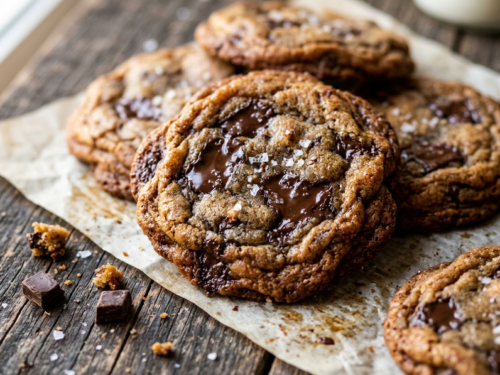
| Chocolate and salt | Salt highlights the chocolate’s depth | Cookies, bark, or dark chocolate with flaky salt |
| Soy sauce and honey or maple | Salty, savory glaze with caramelized sweetness | Salmon, chicken, tofu, or vegetables |
| Apple and cheddar | Crisp, sweet fruit against sharp, salty cheese | A snack or a sandwich |
Rules of thumb for balancing
- Start small. In sweet dishes, a little salt is usually enough. In savory dishes, add sweetness a teaspoon at a time.
- Finish with flaky salt. Coarse flakes on top of caramel, cookies, or roasted vegetables give bursts of salt and a bit of crunch. A pinch of fine salt mixed into batter or sauce does a different job, blending in quietly.
- Add acid. Mustard, vinegar, citrus, and yogurt keep sweet-salty combinations from tasting heavy. Our flavor and color guide explains how the five tastes balance each other.
- Watch the heat. Sugar-based glazes darken and burn quickly, so brush them on during the last several minutes of roasting or grilling.
- Balance with fat and texture. Butter, cream, nuts, and crisp textures make the pairing more satisfying.
Recipe 1: Maple-Dijon glazed carrots
Prep time: 10 minutes | Cook time: 25–30 minutes | Serves: 4
Ingredients
- 1½ pounds (680 g) carrots, peeled and cut into sticks about ½ inch thick
- 2 tablespoons olive oil
- ¾ teaspoon fine salt
- 1½ tablespoons maple syrup
- 1 tablespoon Dijon mustard
- Black pepper, to taste
- Flaky salt and chopped parsley, to finish
Instructions
- Heat the oven to 425°F (220°C). Toss the carrots with the oil and fine salt on a large sheet pan, and spread them in a single layer.
- Roast for about 20 minutes, until the carrots are starting to soften and brown at the edges.
- Whisk the maple syrup and mustard together. Drizzle over the carrots, toss, and roast for 5–8 minutes more, until glazed and tender.
- Finish with pepper, flaky salt, and parsley. Serve warm.
Note: Thicker or thinner carrots will need more or less time, so check for tenderness early. Adding the glaze near the end keeps the maple from burning.
Recipe 2: Salted caramel sauce
Prep time: 5 minutes | Cook time: 15 minutes | Makes: about 1 cup
Ingredients
- 1 cup (200 g) granulated sugar
- ¼ cup (60 ml) water
- 6 tablespoons (85 g) unsalted butter, cut into pieces
- ½ cup (120 ml) heavy cream, at room temperature
- ½ to 1 teaspoon fine sea salt, to taste
- 1 teaspoon vanilla extract (optional)
Instructions
- Combine the sugar and water in a medium heavy-bottomed saucepan over medium heat. Stir gently just until the sugar dissolves, then stop stirring.
- Bring to a boil and cook, swirling the pan occasionally, for about 8–12 minutes, until the syrup turns a deep amber color.
- Remove from the heat. Carefully whisk in the butter until melted, then slowly pour in the cream. The mixture will bubble up and steam, so keep your face and hands back.
- Whisk in the salt and vanilla. Taste, and add more salt if you’d like. Let it cool for about 10 minutes. The sauce thickens as it cools.
Safety: Hot sugar can cause severe burns. Use a long-handled spoon or whisk, keep children away from the stove, and add the cream slowly. Store the cooled sauce in a clean jar in the refrigerator for up to about 2 weeks, and warm it gently before serving.
Sweet and salty in main dishes
Glazes are the easiest way to bring the combination into dinner. A mix of soy sauce and honey, or maple and mustard, works on salmon, chicken thighs, tofu, and vegetables. Brush it on during the final minutes of cooking, and check with an instant-read thermometer so the food is fully cooked before the glaze scorches. Salmon needs to reach 145°F (63°C), as in our sheet-pan lemon-herb salmon, which you can adapt with a honey-soy glaze. For holiday tables, baked glazed ham is a classic sweet-salty centerpiece, and you’ll find planning tips in our holiday meal ideas.
Sweet and salty in baking
A pinch of salt in cookie dough, brownies, and quick breads makes the flavors taste fuller, and flaky salt on top adds contrast. Measure salt as carefully as any other ingredient, following our baking tips, because too much can overwhelm a sweet bake. Try a small sprinkle of flaky salt on a slice of banana bread along with a drizzle of the caramel sauce above.
Troubleshooting
- Too sweet: Add a pinch of salt or a splash of acid, such as lemon juice or vinegar.
- Too salty: Balance it with a little sweetness or fat, or dilute it with more of the main ingredient.
- The glaze burned: It went on too early or the heat was too high. Apply it in the last 5–8 minutes.
- The caramel crystallized or turned grainy: Sugar crystals on the pan sides can trigger this. Stir only until the sugar dissolves, then swirl instead of stirring, and brush down the sides with a wet pastry brush if crystals form.
- The caramel is too thick or too thin: Warm a thick sauce with a splash of cream. If it’s too thin, cook it briefly over low heat, and remember it thickens as it cools.
FAQ
Why does salt make desserts taste better?
Salt tends to reduce bitterness and can make sweetness and other flavors taste more pronounced. A small amount usually improves a dessert without making it taste salty.
Can I use regular table salt in caramel?
Yes. Use fine salt in the sauce and add it gradually, tasting as you go. Save flaky salt for finishing, where its texture stands out.
Are sweet and salty snacks suitable for young children?
Take care with snacks that are choking hazards for children under 4, such as popcorn, nuts, and hard candy. See our kids meals guide for safe serving basics.
Conclusion
Sweet and salty work together because each makes the other more interesting. Keep amounts small, taste as you go, finish with flaky salt, and add glazes near the end of cooking. Start with the carrots or the caramel sauce, and then try the same idea on salmon, chicken, cheese boards, or baked goods.