By Harry Cruse | TasteSavory
Great cooking isn’t only about following a recipe. It’s also about noticing when a dish tastes flat, too sharp, or looks dull, and knowing what to do about it. Flavor and color are closely linked, since the browning that adds color also builds flavor, and a bright finishing touch can lift both taste and appearance. This guide covers how to balance the basic tastes, how to fix a dish that’s off, how to get golden-brown color, how to keep vegetables vibrant, and how to use natural colorings in baking.
The short answer
- Balance a dish using the five basic tastes: sweet, salty, sour, bitter, and umami.
- Season in stages, and taste as you go.
- Finish with acid, such as lemon or vinegar, or fresh herbs to brighten the flavor.
- For golden-brown color, start with a dry surface, a hot pan, and plenty of space.
- Cook green vegetables briefly and add acid at the end to keep them bright.
The five basic tastes, and what they do
- Salty: Salt makes other flavors more noticeable and can tame bitterness. It’s the first thing to adjust when a dish tastes dull.
- Sour: Acid from lemon, lime, vinegar, or tomatoes brightens rich or heavy food and makes flavors seem sharper and cleaner.
- Sweet: Sugar, honey, roasted vegetables, and fruit balance sourness and bitterness. A small pinch can round out a tomato sauce.
- Bitter: Coffee, dark greens, and charred edges add depth in small amounts, but too much can be unpleasant.
- Umami: This savory, meaty depth comes from ingredients such as Parmesan, tomatoes, mushrooms, soy sauce, and miso. It’s what makes a broth or sauce taste satisfying.
Two other things shape how food tastes. Fat, like butter, oil, and cream, carries flavor and softens sharp edges. Aroma comes from herbs, spices, garlic, and citrus zest, and much of what we experience as flavor is really smell. Our garlic Parmesan pasta is a simple example: Parmesan adds salt and umami, garlic adds aroma, cream adds richness, and a squeeze of lemon brightens the whole dish.
How to fix a dish that tastes off
| The dish tastes… | Try this |
|---|---|
| Flat or dull | A pinch of salt first, then a squeeze of lemon or a splash of vinegar |
| Too salty | Dilute with unsalted broth, water, or more of the main ingredients. A splash of acid or a pinch of sugar can help balance it |
| Too sour | A pinch of sugar, a little fat such as butter or cream, or more of the base ingredient |
| Too sweet | A splash of acid or a pinch of salt |
| Too bitter | A pinch of salt, a little sweetness or fat. Also check for burnt garlic or over-toasted spices |
| Lacking depth | An umami ingredient, such as tomato paste, soy sauce, miso, or grated Parmesan |
| Too spicy | Dairy, fat, or sweetness, or more of the base ingredient |
Season in stages
Adding a little salt early in cooking builds flavor throughout a dish, while a final adjustment at the end fine-tunes it. Taste before you add anything, make one change at a time, and taste again. Acid and fresh herbs are best added near the end, since long cooking dulls their brightness.
Color from browning
The golden-brown crust on seared chicken, roasted vegetables, and baked bread comes from browning reactions that create both color and flavor. They speed up at roughly 300°F (150°C) and higher, which is why moisture is the enemy. Water keeps the surface of food near 212°F (100°C), so wet food steams instead of browning. To get good color:
- Dry the surface. Pat meat, fish, and vegetables with paper towels before cooking.
- Use a hot pan and enough oil. Preheat the pan first, and wait until the oil shimmers.
- Don’t crowd the pan. Overcrowding traps steam. Cook in batches if needed.
- Leave the food alone. It releases from the pan more easily once a crust has formed.
These are the same habits behind juicy seared chicken breast and tender sautéed shrimp.
Keeping vegetables colorful
| Color | Found in | What affects it | Tip |
|---|---|---|---|
| Green | Spinach, broccoli, green beans, herbs | Long cooking and acid turn it dull olive | Cook briefly, and add lemon or vinegar just before serving |
| Red and purple | Red cabbage, berries | Acid keeps it pink-red, while alkaline ingredients such as baking soda shift it toward blue-green | Add a little vinegar or lemon to keep it vibrant |
| Orange and yellow | Carrots, sweet potatoes, squash | Fairly stable in cooking | Roasting deepens both color and sweetness |
| Deep red | Beets | It bleeds into other foods and can fade with long cooking | Roast them whole and add them to salads at the end |
The pigment behavior above also explains why blueberry muffins occasionally turn green-blue when the batter is too alkaline. Our baking tips explain how leaveners work.
Natural ways to color food
If you’d like to color frostings, batters, or rice without artificial dyes, several pantry ingredients can help. Results vary, and natural colors are usually softer than bright commercial dyes.
| Color | Ingredient | Notes |
|---|---|---|
| Pink to red | Beet juice or powder | Can taste earthy in larger amounts, and may fade during baking |
| Yellow | Turmeric | Strong and stains easily, so use a small pinch |
| Green | Matcha powder | Adds a grassy, slightly bitter flavor |
| Purple to blue | Red cabbage juice, blueberries | The shade depends on acidity |
| Brown | Cocoa, coffee, molasses | Adds its own flavor, so it suits chocolate and spice recipes |
Make it look as good as it tastes
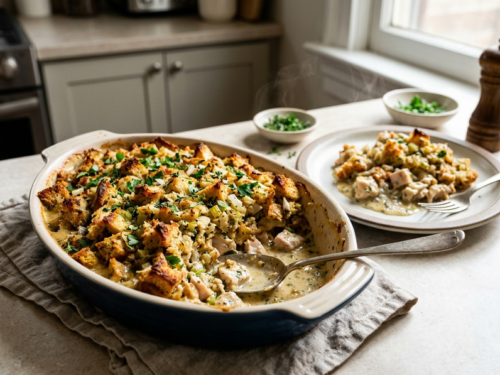
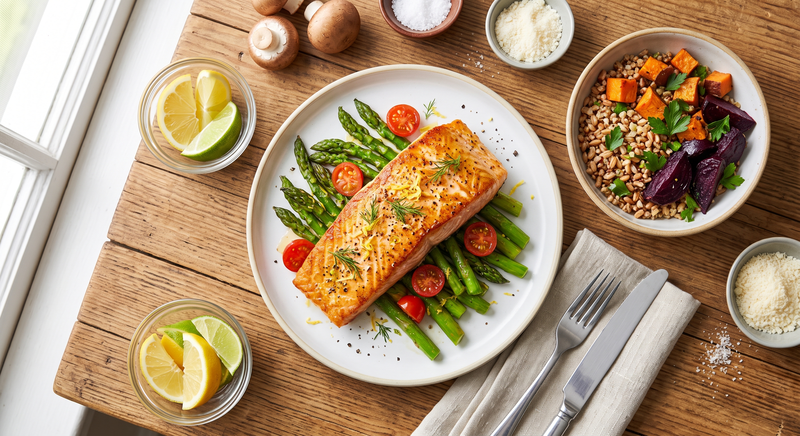
A few simple habits make plated food look more appealing. Contrast colors on the plate, such as a green herb on a golden roast or a red pepper on a creamy pasta. Add texture with something crunchy, like toasted nuts or breadcrumbs. Finish with a final touch, such as a squeeze of lemon, lemon zest, a drizzle of olive oil, or a scatter of fresh herbs. For colorful plates that lean on vegetables, our anti-inflammatory recipes are a good starting point.
A five-minute tasting exercise
To train your palate, warm a cup of low-sodium broth. Taste it plain. Add a small pinch of salt, stir, and taste again. Then add a few drops of lemon juice and taste a third time. Finally, stir in a little grated Parmesan or a drop of soy sauce. Each step changes the flavor in a different way, and you’ll notice how salt, acid, and umami each play their own role.
FAQ
Why does my food look pale?
The surface is probably wet, the pan isn’t hot enough, or the pan is crowded. Dry the food, preheat the pan, and cook in batches.
Do natural food colorings change the flavor?
Sometimes. Beet and matcha can add a noticeable taste in larger amounts, so use small quantities and taste as you go.
How much salt should I add?
Start with the amount in the recipe, and adjust gradually as you taste. Salt in stages, and remember that ingredients like cheese, soy sauce, and broth already contain salt.
Conclusion
Flavor and color are two sides of the same skill. Balance the five basic tastes, taste as you cook, and finish with something bright. Then use dry surfaces and hot pans for color and treat vegetables gently to keep them vibrant. Start with one idea, such as a squeeze of lemon at the end or a hotter pan, and see how much difference it makes.