

There is something wonderfully rewarding about turning a simple batch of yeast dough into an impressive, bakery-style treat right in your own kitchen. These braided cheese-stuffed pastries feature a fluffy, golden crust woven neatly over a savory, herb-kissed feta and mozzarella filling. Whether you are baking for a weekend gathering or craving a comforting snack, this technique is surprisingly approachable and fun to master.
Why You'll Love This Recipe
- Features a soft, enriched yeast dough that stays fluffy on the inside and turns golden on the outside.
- Uses a smart folding and cutting technique that creates an eye-catching braided top without needing advanced pastry skills.
- Combines salty, crumbly feta with melty mozzarella for a balanced, flavorful cheese filling.
- Bakes up into individual, shareable portions that are easy to grab and enjoy warm.
- Includes fresh herbs and optional nigella seeds for an authentic, aromatic touch.
Ingredients You'll Need (and Why)
active dry yeast: Acts as the leavening agent, creating carbon dioxide bubbles that give the dough its light, airy, and fluffy texture as it proofs.
warm milk and water: Provides the ideal temperature (around 110°F) to wake up the yeast without killing it, while the milk adds tenderness and richness to the crumb.
feta cheese: Delivers a sharp, salty punch that cuts through the rich dough, serving as the flavorful backbone of the savory filling.
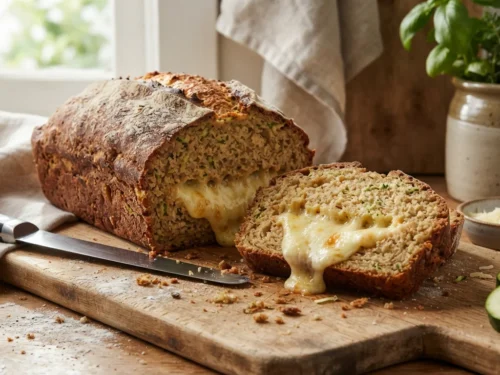
mozzarella cheese: Melts smoothly to bind the crumbly cheeses together and creates that satisfying, stretchy cheese pull when you break open a warm pastry.
egg white: Mixed directly into the cheese filling to help bind the ingredients together so the filling stays put while baking instead of leaking out.
How to Make It
Building the Enriched Dough
The foundation of these pastries is a soft, enriched yeast dough. By combining warm liquids with sugar and yeast, you create a cozy environment for fermentation. Kneading develops the gluten strands, which give the dough the structural strength it needs to stretch and hold its shape during the intricate cutting and braiding stages without tearing.
Balancing the Cheese Filling
A great cheese pastry relies on a mix of textures and flavors. Sharp, salty feta provides an assertive punch, while melting mozzarella bridges the gap to give you a gooey, cohesive center. Mixing in an egg white acts as edible glue, ensuring the filling bakes into a stable core rather than separating or boiling out of the pastry seams.
The Cutting and Braiding Technique
This is where the magic happens. Folding the dough round in half and making parallel cuts along the curved edge creates a fringe while leaving the center intact. When you unfold the dough, lay down your filling, and weave the strips diagonally across, you build a gorgeous protective cage that bakes up golden brown and frames the cheesy interior.
Success Tips
- Make sure your milk and water are warm, not hot (around 110°F), so you do not accidentally kill the yeast before it has a chance to activate.
- Knead the dough for the full 8 to 10 minutes until it feels smooth and elastic; this creates the stretch necessary for easy folding and braiding.
- Do not overfill the center strip with cheese, or the pastries may burst open or leak during the baking process.
- Pinch the ends of each pastry tightly after braiding to lock the filling securely inside before the final rest.
- Let the shaped pastries rest for that final 15 minutes before baking; this brief second proof gives them a lighter, fluffier texture.
Storage & Make-Ahead
Room temperature: Best enjoyed fresh on the day they are baked. Store in an airtight container at room temperature for up to 1 day.
Fridge: Keep in an airtight container in the refrigerator for up to 3 days. Reheat gently in a warm oven or toaster oven before serving.
Freezer: Freeze baked and cooled pastries in a freezer-safe bag for up to 2 months. Thaw completely and reheat in a 350°F oven until warmed through.
FAQ
Can I use dry active yeast instead of instant yeast?
Yes! The recipe calls for active dry yeast, which is bloomed in warm milk and water for 5–10 minutes until frothy before mixing in the rest of the ingredients.
What kind of cheese works best if I cannot find feta?
You can substitute crumbly white cheeses like Akawi, Cotija, or even a firm farmer's cheese, as long as it matches that characteristic salty, crumbly texture.
Why did my filling leak out while baking?
Leaking usually happens if too much filling was added, if the ends were not pinched tightly enough to seal, or if the dough strips were pulled too tight during braiding.